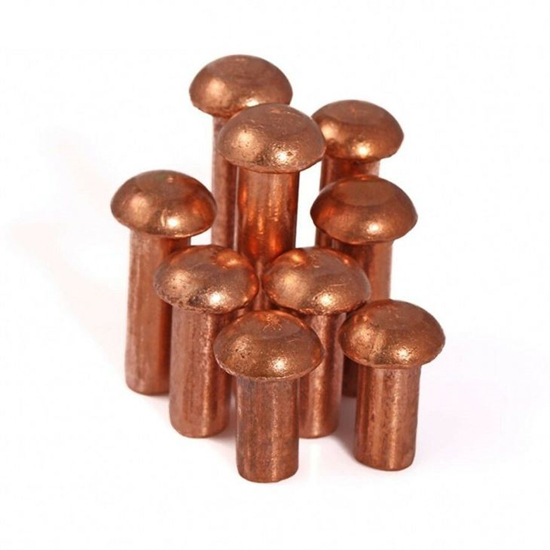
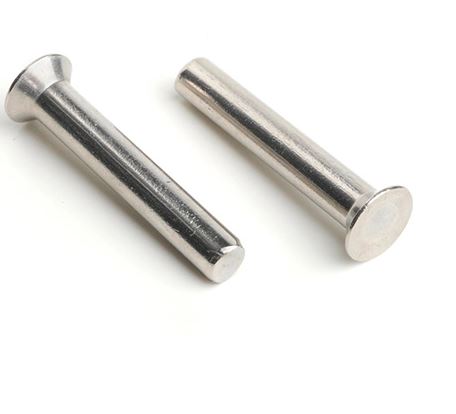
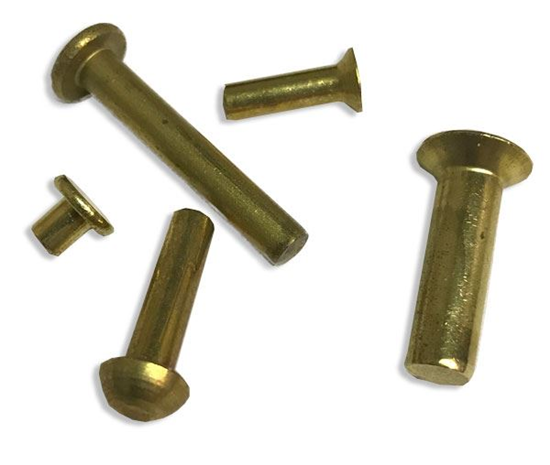
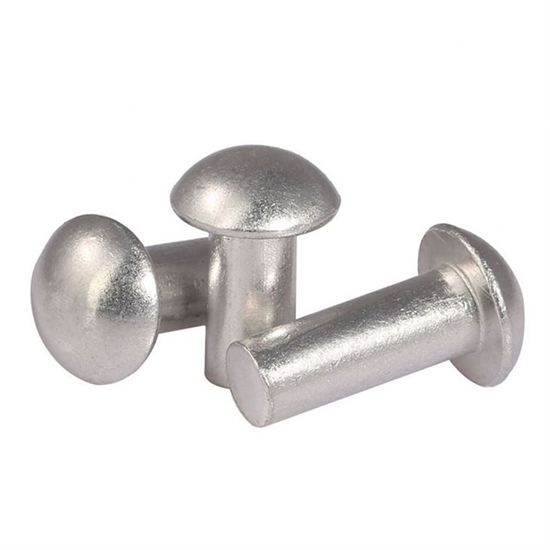
Solid rivets are one of the oldest and most reliable types of fasteners, consisting of a smooth cylindrical shaft with a head on one end. Installed by deforming the tail (forming a second head) using a rivet gun or hammer, they create a permanent, vibration-resistant joint that cannot be loosened or disassembled without destruction. Ideal for structural applications requiring high shear strength and reliability.
Available Head Types
-
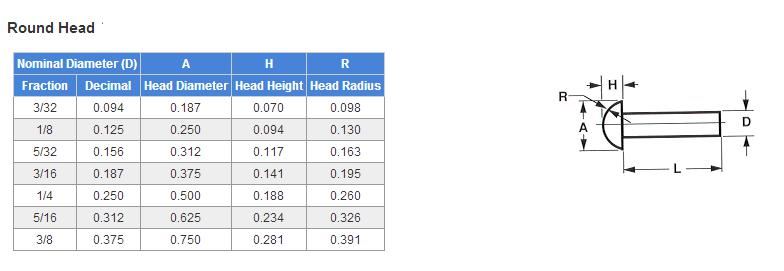
Round Head: General-purpose, high-strength applications
-
Truss Head: Large bearing surface for thin materials
-
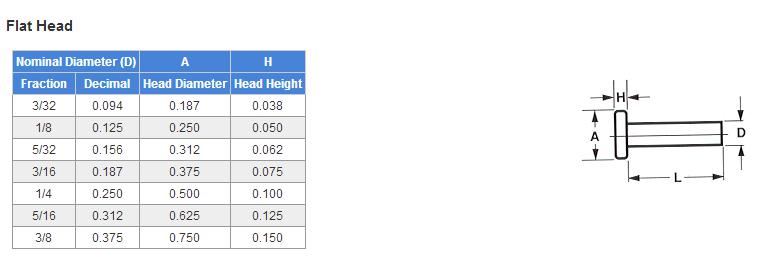
Flat Head: Flush mounting where surface smoothness is required
-
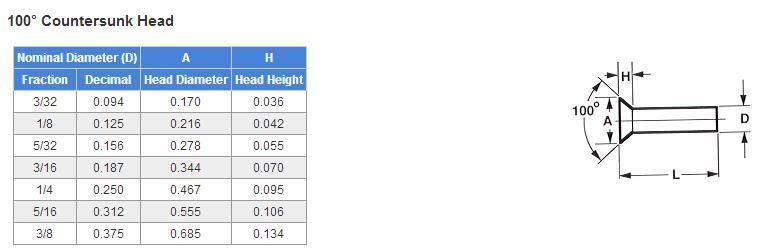
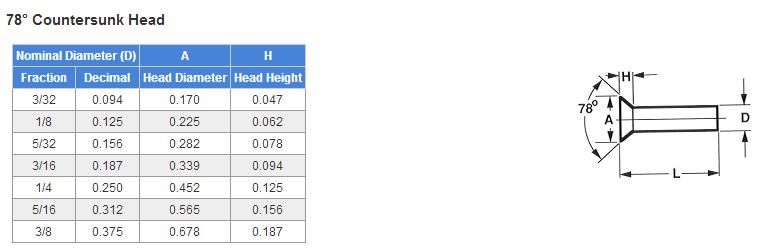
Countersunk Head: Flush finish for aerodynamic or aesthetic requirements
-
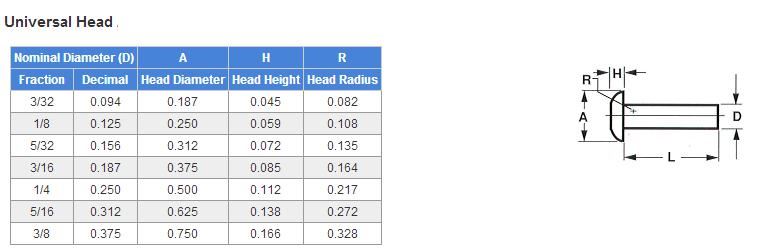
Universal Head: Combination of round and countersunk, suitable for multiple applications
-
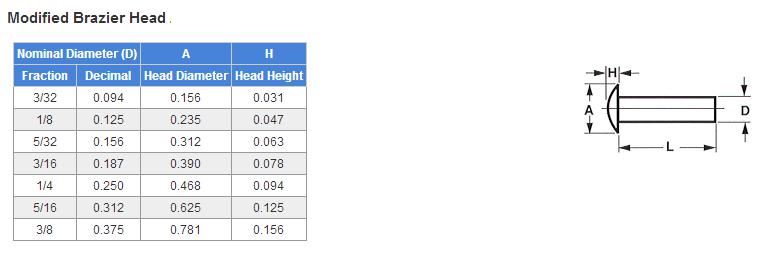
Modified Brazier Head: Low-profile head with smooth contours, commonly used in aircraft manufacturing
Materials & Grades
-
Aluminum: 1100, 2017, 2024, 2117, 5056, 6061 – lightweight and corrosion-resistant
-
Brass: Decorative applications, corrosion resistance, electrical conductivity
-
Copper: Electrical applications, corrosion resistance, soft for hand-forming
-
Stainless Steel: 302, 304, 305, 316 – maximum strength and corrosion resistance
-
Steel: Low carbon, medium carbon – high strength, various finishes available
-
Monel / Nickel Alloys: Marine and chemical processing applications
-
Titanium: Aerospace and high-performance applications
Applicable Standards
-
ANSI/ASME B18.1.1 (Small solid rivets, inch series)
-
ANSI/ASME B18.1.2 (Large solid rivets, inch series)
-
DIN 660, DIN 661, DIN 662, DIN 674 (Metric solid rivets, various head styles)
-
ISO 1051 (Rivet shank diameters)
-
MS / NAS / AN Specifications (Military and aerospace standards)
-
ASTM F468, F467 (Nonferrous and ferrous rivets)
Surface Treatments
-
Plain (as-formed)
-
Zinc plating (clear, yellow)
-
Cadmium plating (aerospace applications)
-
Passivation (stainless steel)
-
Anodizing (aluminum)
-
Black oxide
-
Hot-dip galvanizing (steel)


 No products in the cart.