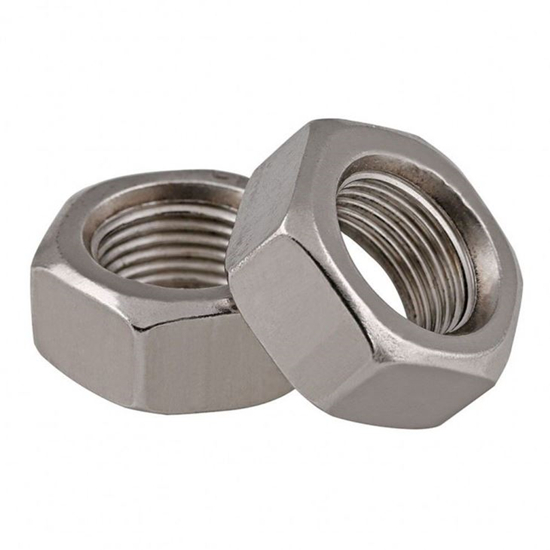
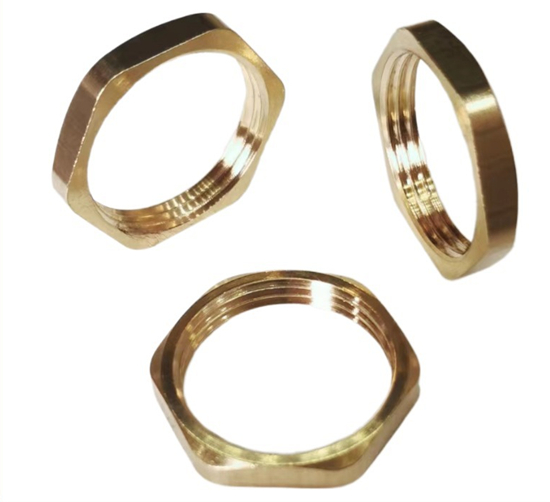
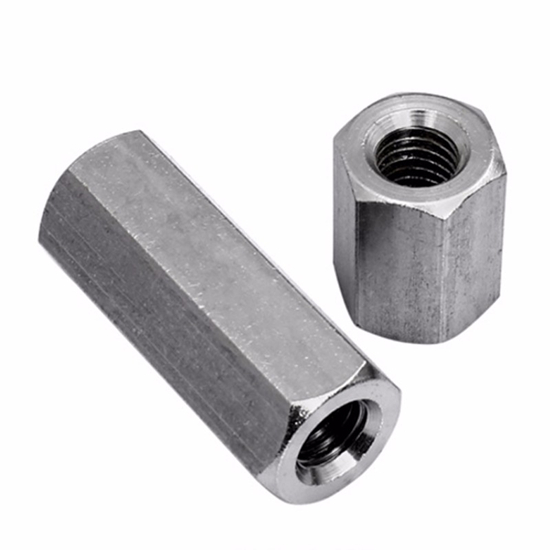
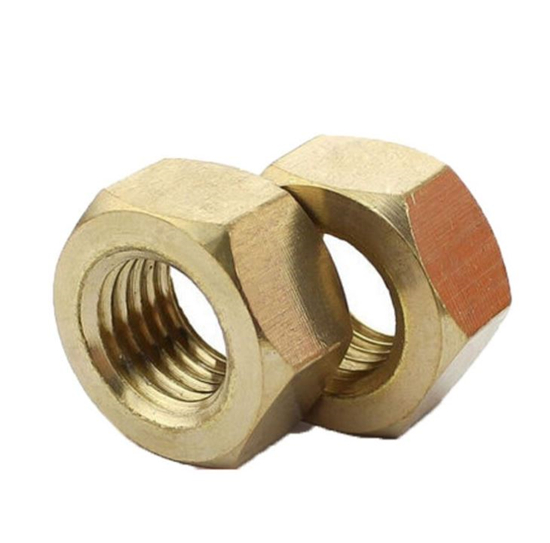
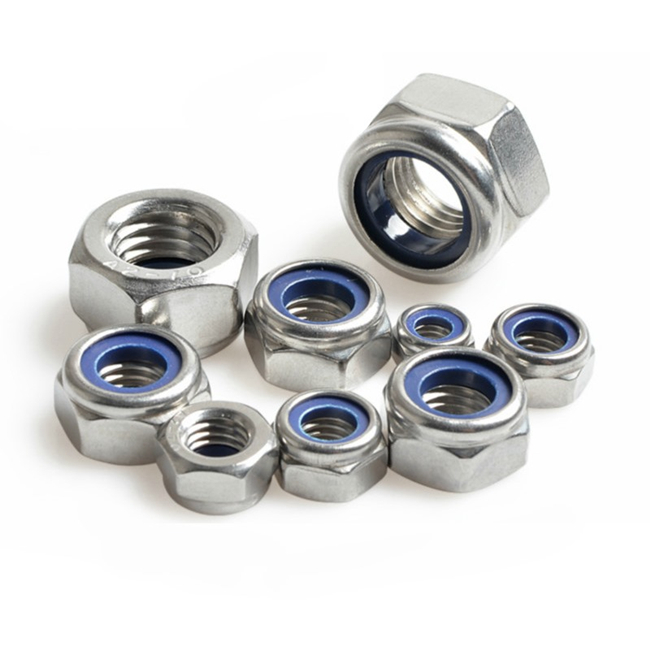
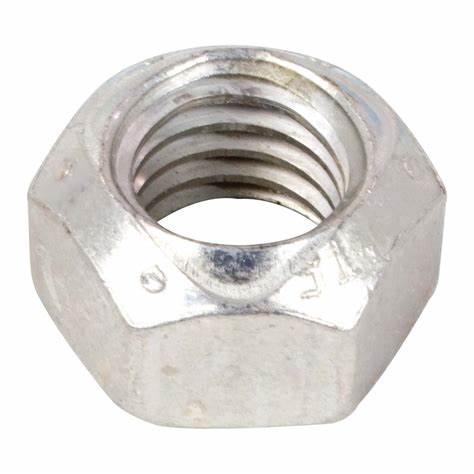
Hex nuts are six-sided fasteners designed to mate with bolts, screws, and threaded rods to create secure, clamped joints. As the most common type of nut, they are available in a variety of configurations to suit different strength, height, and functional requirements.
Available Types
| Type | Description |
|---|---|
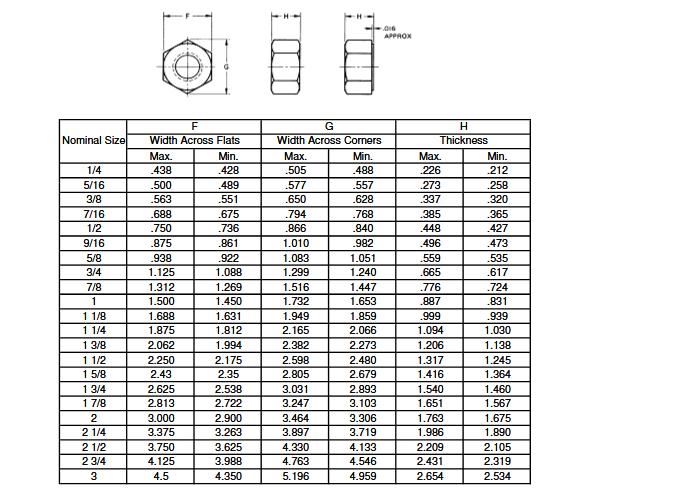
| Finished Hex Nut | Standard hex nut with chamfered corners; most common general-purpose nut |
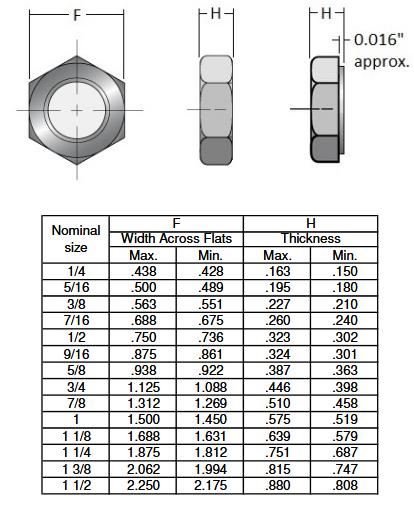
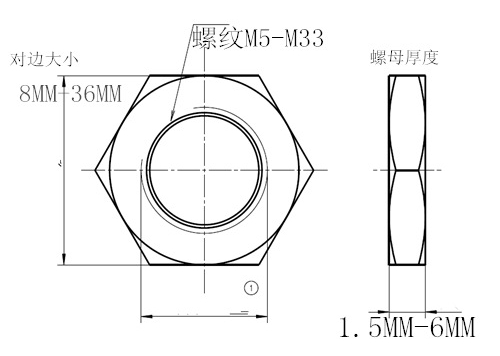
| Hex Jam Nut | Thin-profile nut used as a lock nut against another nut |
| Heavy Hex Nut | Larger and thicker than standard hex nuts for higher strength applications |
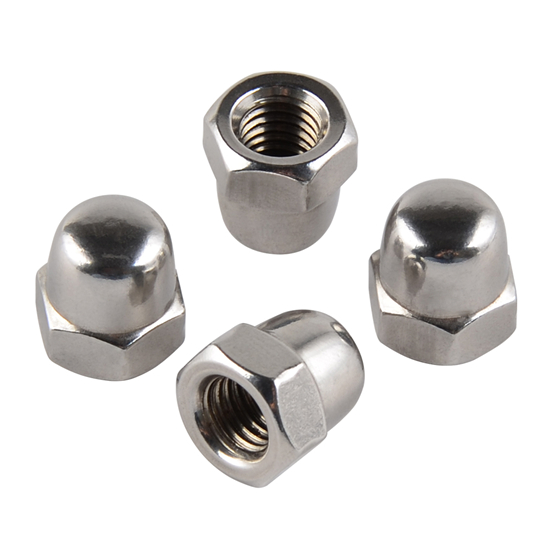
| Hex Cap Nut | Hex nut with a domed top for finished appearance and thread protection |
| Slotted Hex Nut | Features slots for use with cotter pins; commonly used with castle nuts |
| Wheel Nut | Specialized nut for automotive wheel mounting |
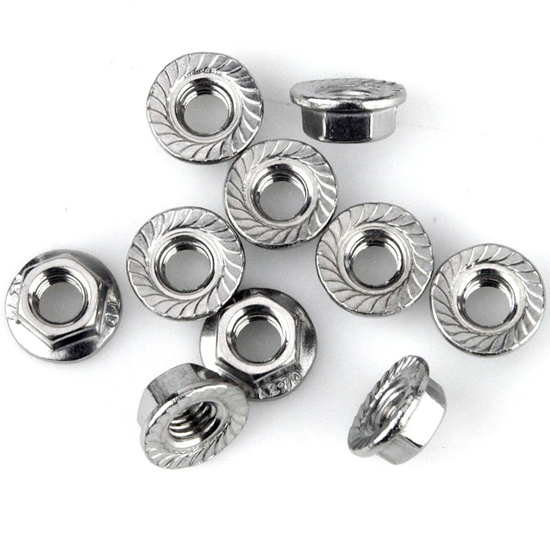
| Keps Nut (K-Lock Nut) | Hex nut with built-in captive external tooth lock washer |
| Stainless Steel Hex Nut | Corrosion-resistant option for outdoor and marine applications |
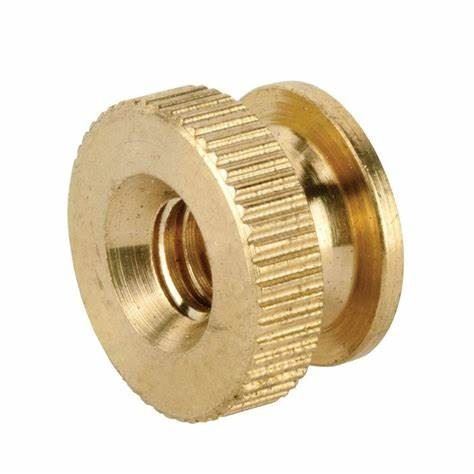
| Brass Hex Nut | Decorative, corrosion-resistant, and electrically conductive |
Applicable Standards – Metric Series
| Standard | Description |
|---|---|
| DIN 934 | Hexagon nuts (standard height) |
| DIN 439B | Hexagon thin nuts with chamfer (jam nuts) |
| DIN 439A | Hexagon thin nuts without chamfer |
| DIN 936 | Hexagon thin nuts (fine thread) |
| DIN 1587 | Hexagon cap nuts (acorn nuts) |
| DIN 937 | Hexagon slotted castle nuts |
Applicable Standards – Inch Series
-
ASME B18.2.2: Square and hex nuts (includes finished hex, heavy hex, jam nuts)
Materials
-
Carbon Steel: Various grades for standard applications
-
Stainless Steel: Grades 304 (A2), 316 (A4) for corrosion resistance
-
Brass: Available with nickel plating for decorative or electrical applications
Surface Finishes
-
Zinc Plating (clear, yellow)
-
Nickel Plating (common for brass)
-
Black Oxide
-
Hot-Dip Galvanizing
-
Passivation (stainless steel)
-
Plain finish



 No products in the cart.