

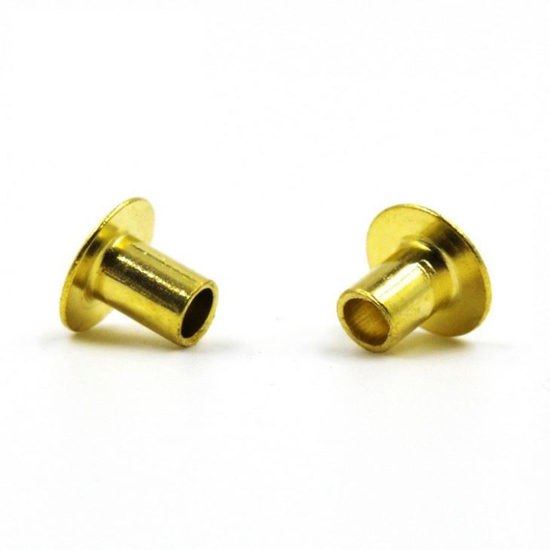
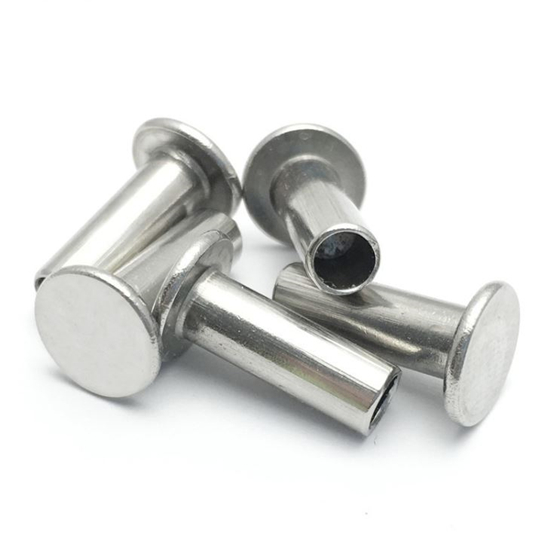
Tubular rivets, also widely known as semi-tubular rivets, are characterized by a shallow hole (usually 1/8″ of the shank diameter) at the tip of the rivet body. This design requires less force for installation compared to solid rivets, as the tubular end rolls outward during setting. They are ideal for assemblies where high strength is not the primary requirement but consistent, reliable fastening is needed. Available in a wide variety of head styles to suit different functional and aesthetic needs.
Available Head Styles
-
Oval Head: General-purpose, finished appearance
-
Truss Head: Large bearing surface for thin or soft materials
-
Flat Head: Flush mounting where surface smoothness is desired
-
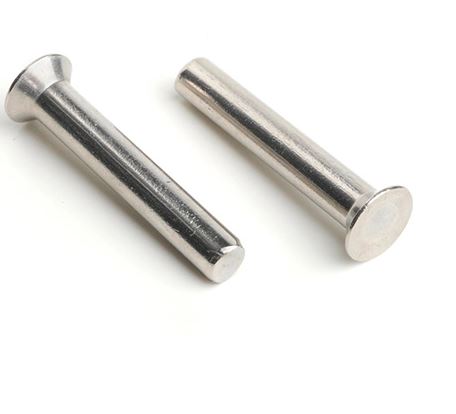
100° Countersunk Head / 90° Countersunk Head / 78° Countersunk Head: Flush finish with different angles for specific applications (e.g., 100° common in aerospace, 78° in brake linings)
-
Brake Lining Head: Specialized head for attaching friction materials to brake shoes and clutch plates
Applicable Standards – Metric Series
-
DIN 6791: Pan Head Semi-Tubular Rivet
-
DIN 6792: Countersunk Head Semi-Tubular Rivet
-
DIN 7338: Rivet for Brake and Clutch Linings
-
DIN 7339: Hollow Rivet (drawn from strip)
-
DIN 7340: Tubular Rivet (manufactured from tube)
Materials
-
Steel: Various grades, available with zinc plating or nickel plating for corrosion resistance
-
Stainless Steel: Grades 304, 316 (excellent corrosion resistance), 410 (increased hardness)
-
Aluminum: Lightweight, good corrosion resistance
-
Brass: Decorative, corrosion-resistant, good electrical conductivity
-
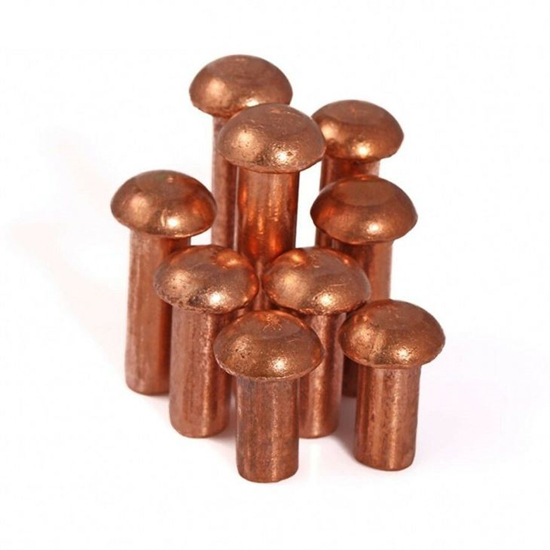
Copper: Electrical applications, soft for easy setting
Common Applications
-
Automotive: Brake linings, clutch plates, door hinges
-
Electronics: Assembling small components, switchgear
-
Hardware: Hinges, locks, handbags, belt buckles
-
Appliances: Assembling handles, nameplates, light fixtures
-
Aerospace: Lightweight interior assemblies

 No products in the cart.