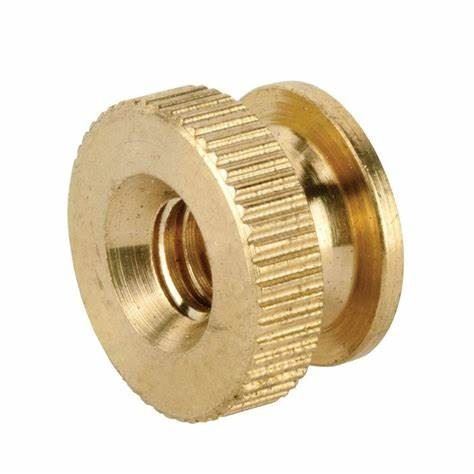
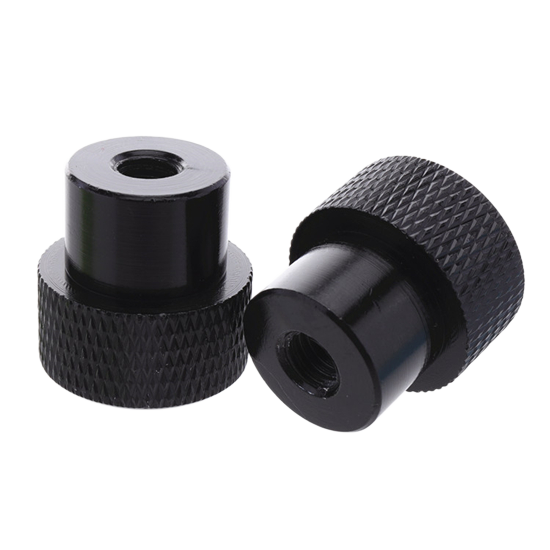
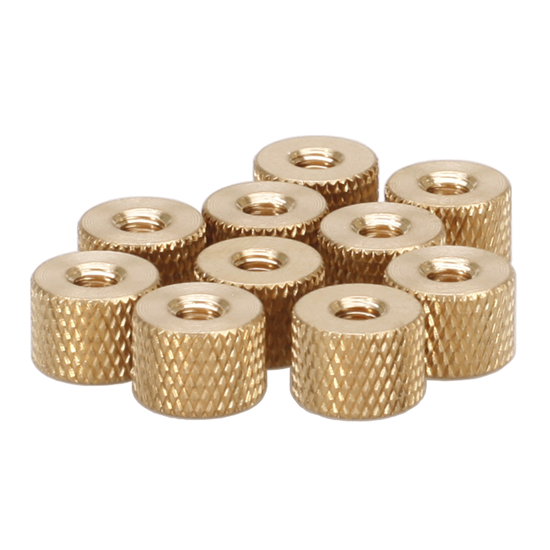
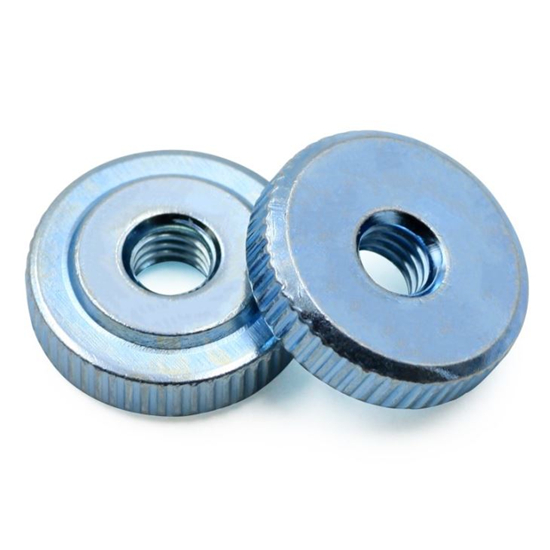
Thumb nuts, also known as knurled thumb nuts or knurled nuts, are circular nuts with a knurled outer surface that provides a secure grip for manual tightening and loosening without the use of tools. The textured exterior increases friction between hand and fastener, enabling quick installation and removal in applications requiring frequent access, such as electrical panels, service covers, and mechanical assemblies.
Available Types
| Type | Description | Standard |
|---|---|---|
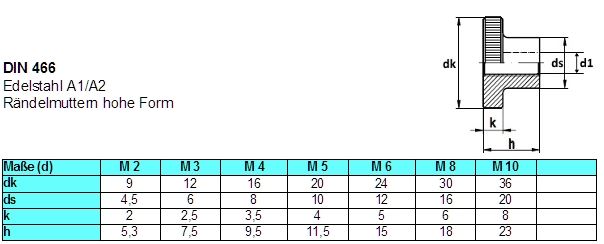
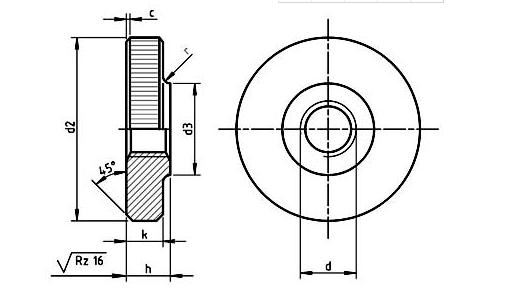
| High Type Knurled Nut | Taller profile with larger grip surface; provides greater leverage for manual tightening | DIN 466 |
| Low Type (Flat) Knurled Nut | Lower profile with reduced height; suitable for applications with limited clearance | DIN 467 |
Applicable Standards
| Standard | Status | Description | Thread Range |
|---|---|---|---|
| DIN 466:2006-08 | Active | High type knurled nuts – tall profile, larger grip surface | M1 to M10 |
| DIN 467:2006-08 | Withdrawn (Nov 2024) | Short (flat) type knurled nuts – replaced by new revision; dimensions remain industry reference | M3 to M12 |
Materials
| Material | Properties | Applications |
|---|---|---|
| Stainless Steel (A1/A2/A4) | Corrosion-resistant, non-magnetic, durable | Outdoor equipment, marine, electronics |
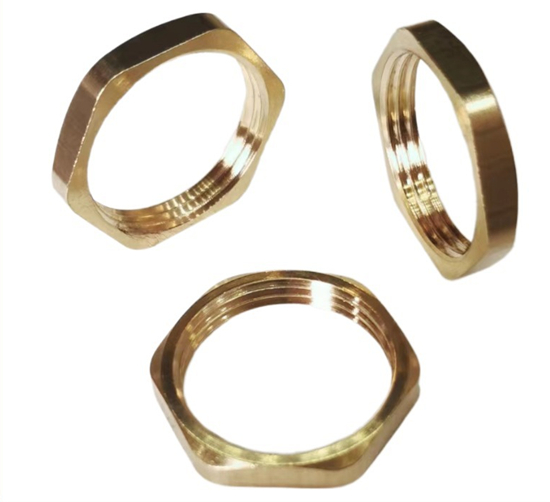
| Brass | Water-resistant, corrosion-resistant, non-magnetic, aesthetically pleasing | Sensitive electronic equipment, decorative applications |
| Steel | High strength, zinc-plated or passivated finishes | General industrial applications |
| Aluminum | Lightweight, corrosion-resistant | Aerospace, lightweight assemblies |
Surface Finishes
-
Zinc Plating (blue passivated) – for steel
-
Passivation – for stainless steel
-
Natural finish – for brass and aluminum
Common Applications
-
Electrical Panels: Service covers, control panels requiring frequent access
-
Industrial Machinery: Machine guards, access doors, quick-release assemblies
-
Electronics: Sensitive equipment where non-magnetic fasteners are required
-
Outdoor Equipment: Marine and corrosion-prone environments (stainless steel/brass)
-
Furniture: Adjustable components and modular assemblies
-
Medical Devices: Equipment requiring tool-free adjustment



 No products in the cart.