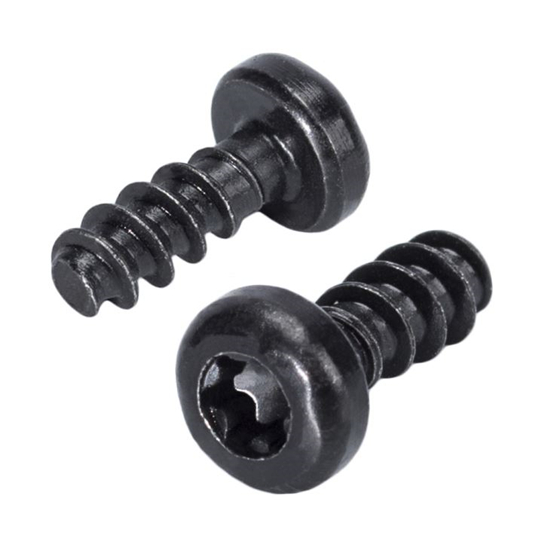
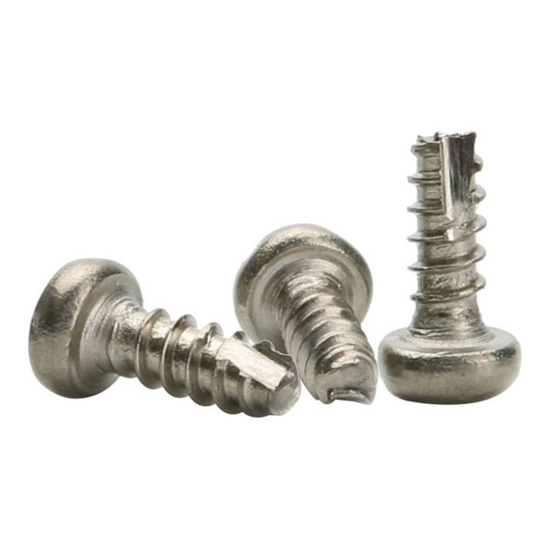
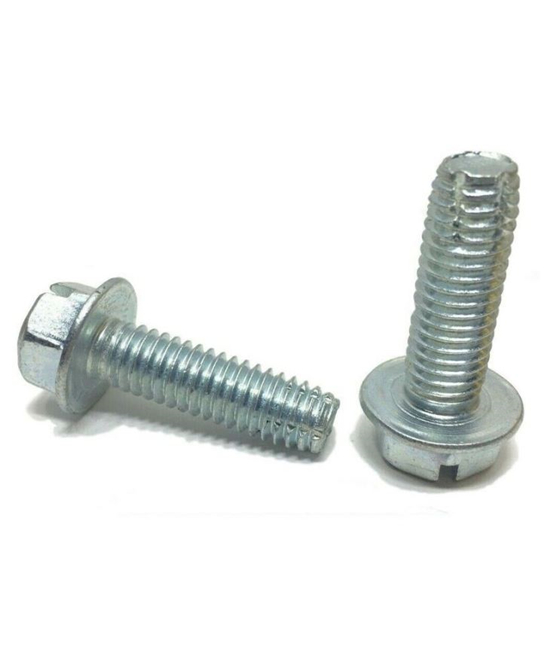
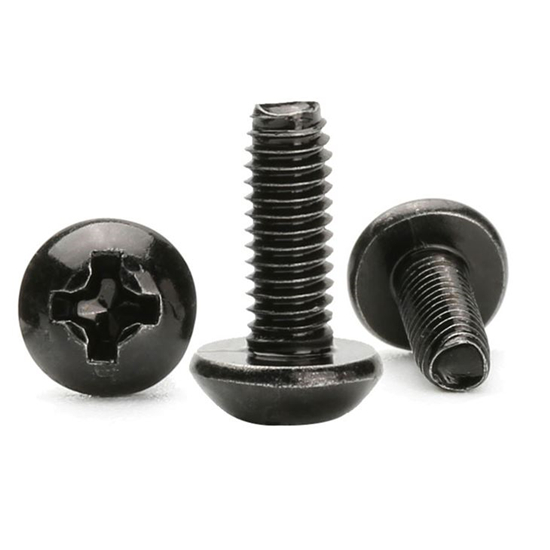
Self-tapping screws are designed to create their own mating threads as they are driven into materials such as plastic, metal, aluminum, and sheet metal, eliminating the need for pre-tapped holes or separate nuts. They are broadly classified into two types: thread forming screws and thread cutting screws, each suited for different material properties and application requirements.
How They Work
| Type | Mechanism | Ideal Applications | Key Characteristics |
|---|---|---|---|
| Thread Forming Screws | Displace material around the pilot hole, causing it to flow around the screw threads . No material is removed; instead, it is compressed to create a tight, zero-clearance fit. | Plastics, light sheet metal, non-ferrous castings | Higher driving torque required; excellent vibration resistance; often eliminates need for locking devices; can be reused if installed properly |
| Thread Cutting Screws | Remove material via cutting edges and chip cavities, creating a true machined thread in the substrate. | Sheet metal, aluminum, die castings, cast iron, brass, plastics, resin-impregnated plywood | Lower driving torque; creates chips during installation; ideal for materials where disruptive internal stresses are not desired; may strip if frequently removed |
Thread Forming Screw Point Types
| Type | Description | Typical Applications |
|---|---|---|
| Type A | Sharp, gimlet point with widely spaced threads; for thin sheet metal (0.015″–0.050″ thick). Not recommended for new design. | Thin sheet metal, resin-impregnated plywood, asbestos combinations |
| Type AB | Combines locating point of Type A with thread size and pitch of Type B; versatile thread-forming screw. | Light sheet metal, non-ferrous castings, plastics |
| Type B | Blunt point with finer threads; for heavier sheet metal (0.050″–0.200″ thick). | Heavy sheet metal, non-ferrous castings, plastics, impregnated plywood |
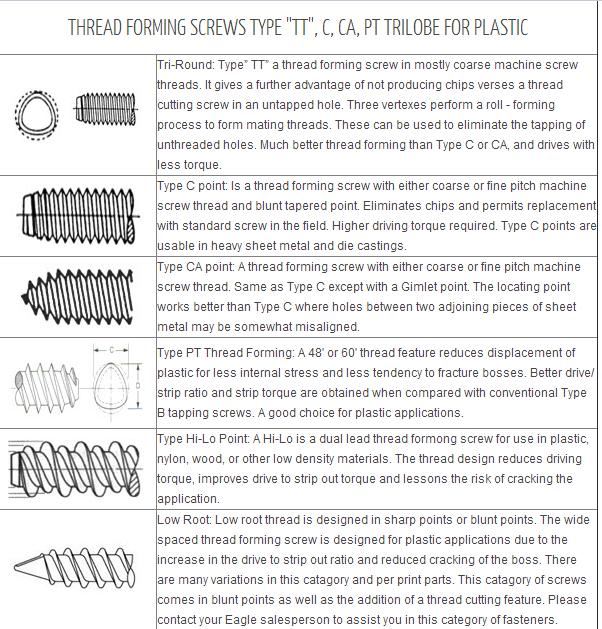
| PT Thread (Taptite Trilobular) | High-performance thread-rolling design with trilobular cross-section; creates clean internal threads without chips. | Plastics, die castings, high-stress applications |
| Plastite Thread | Optimized for plastic materials; reduces hoop stress and minimizes boss cracking. | Thermoplastics, engineered plastics |
| High-Low Thread | Alternating high and low thread heights; provides superior pullout resistance in plastics and particle board. | Plastics, particle board, composite materials |
| Type C / CA | Coarse or fine pitch machine screw thread with blunt tapered point (Type C) or gimlet point (Type CA). Eliminates chips; permits field replacement with standard screws. | Heavy sheet metal, die castings |
Thread Cutting Screw Point Types
| Type | Description | Typical Applications |
|---|---|---|
| Type 1 | Single flute cutting edge; produces fine standard machine screw thread. Ideal for field replacement applications. | General purpose; field repair and maintenance |
| Type 17 | Long, sharp point with fluted chip cavity; coarse tapping screw thread. | Wood, particle board, composite lumber |
| Type 23 | Fine thread series with maximum thread cutting area and excellent chip clearing; minimum tightening torque. | Hard materials requiring precision threads |
| Type 25 | Coarse Type B thread with cutting edges; large chip clearing capacity. | Plastics, soft materials |
| Type F | Machine screw thread with blunt tapered point; multiple cutting edges and chip cavities. | Heavy gauge sheet metal, die castings, cast iron, brass, plastic |
Applicable Standards
| Standard | Scope |
|---|---|
| ASME B18.6.4 | Thread forming and thread cutting tapping screws – inch series |
| ASME B18.6.5M | Metric thread forming and thread cutting tapping screws – metric series (historical; dimensions remain widely used) |
| ISO/TC 2/SC 13 | Fasteners with non-metric thread – includes thread-forming screws, tapping screws, drilling screws |
Available Head Styles
-
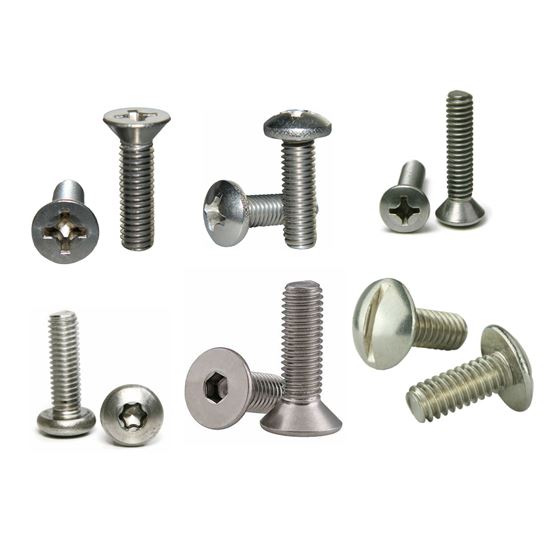
Flat Head (with or without undercut) – countersunk for flush mounting
-
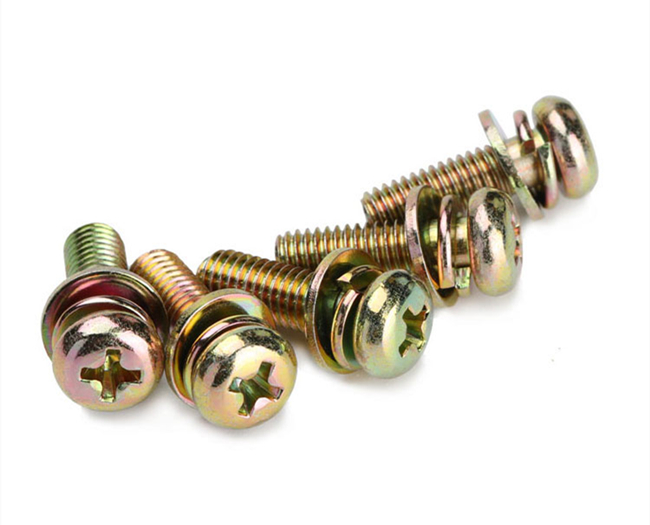
Pan Head – general purpose with wide bearing surface
-
Truss Head – extra-wide bearing surface for soft materials
-
Unslotted Hex Head – external drive for high torque
-
Slotted Hex Washer Head with Serrations – integrated washer with locking serrations
Materials
-
Steel with Zinc Plating – general purpose, moderate corrosion resistance
-
Steel with Black Oxide – mild corrosion protection, matte finish
-
18-8 (300 Series) Stainless Steel – Type 302, 304; good corrosion resistance
-
410 Stainless Steel – hardenable stainless; higher strength, suitable for drilling through harder materials
Surface Finishes
-
Zinc Plating (clear, yellow)
-
Black Oxide
-
Passivation (stainless steel)
Common Applications
-
Automotive interior and exterior assemblies
-
Electronics enclosures and plastic housings
-
Appliance manufacturing
-
Sheet metal fabrication and HVAC
-
Medical device assemblies
-
Industrial equipment and machinery






 No products in the cart.