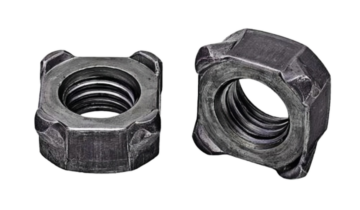
Weld Nut Size Chart – DIN 928, DIN 929 & ISO 21670 Dimensions
Square Weld Nut Size Chart – DIN 928 Metric Dimensions Hexagon Weld Nut Size Chart – DIN 929 Metric Dimensions Hexagon Weld Nut With Flange Size Chart – ISO 21670 Metric Dimensions
Square Weld Nut Size Chart – DIN 928 Metric Dimensions Hexagon Weld Nut Size Chart – DIN 929 Metric Dimensions Hexagon Weld Nut With Flange Size Chart – ISO 21670 Metric Dimensions
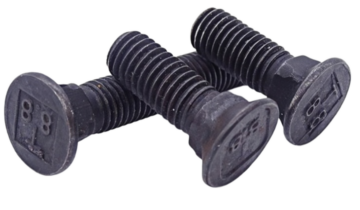
Plow Bolt of Table 1, No. 3 Square Neck, 80 Deg Round Countersunk Head Plow Bolt of Table 2, No. 7 Reverse Key, 60 Deg Round Countersunk Head
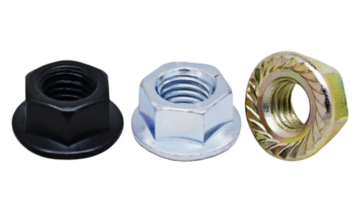
Flange Nut Size Chart – DIN EN 1661 (DIN 6923) & ISO 4161 Metric Dimensions Flange Nut Size Chart – ASME B18.2.2 Inch Dimensions
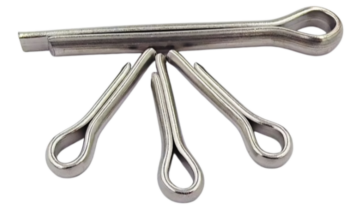
Cotter Pin Size Chart – DIN 94 & ISO 1234 Metric Dimensions Cotter Pin Size Chart – ASME B18.8.1 Inch Dimensions Spring Cotter Pin Size Chart – DIN 11024 Metric Dimensions
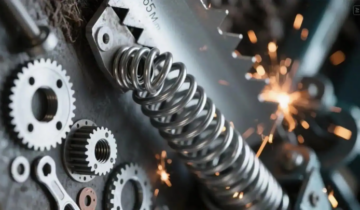
If you’ve ever handled a spring washer, a retaining ring, or a clip made in China, chances are it was made from 65Mn steel. This material is the go-to choice for elastic components in the fastener world in China — not because it’s used for bolts or screws, but because it does something those materials can’t: it springs back. 65Mn…
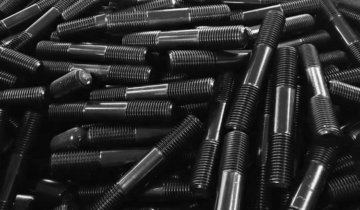
If zinc plating is the workhorse of fastener finishes, black oxide is the dress shoe—stylish, sleek, and perfectly suited for certain occasions, but not something you’d take hiking through the mud. Black oxide (also called blackening or bluing) is one of the oldest surface treatments for steel fasteners. It’s instantly recognizable by its deep black or blue-black appearance, often seen…
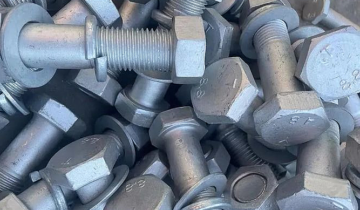
When fasteners need to survive decades outdoors—on transmission towers, highway guardrails, or coastal structures—hot-dip galvanizing is the finish of choice. Unlike the thin zinc layer applied by electroplating, hot-dip galvanizing creates a thick, metallurgically bonded coating that can protect steel for 30 to 70 years, depending on the environment. What Is Hot-Dip Galvanizing? Hot-dip galvanizing is a process where steel…
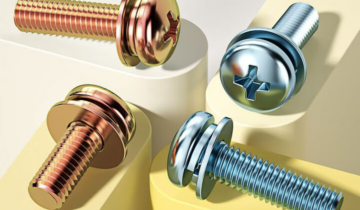
Zinc plating is everywhere. Walk into any hardware store, and you’ll see bins of silver-colored bolts, nuts, and washers—most of them zinc-plated. It’s the default finish for countless fasteners, and for good reason: it’s cost-effective, provides decent corrosion protection, and looks clean. But what exactly is zinc plating? How does it work? And why can some zinc-plated fasteners last for…
When 240 hours of salt spray resistance is demanded for a bolt, ordinary zinc plating won’t suffice. This level of corrosion protection requires specialized surface finishes engineered for severe environments—marine, automotive underbody, industrial, or coastal applications. Here are the four most reliable surface treatments that consistently achieve 240+ hours of salt spray resistance, with detailed performance data and application guidance.…
If you’ve been sourcing fasteners from China, you’ve probably noticed a pattern: alongside familiar Chinese grades like ML35 and 45#, there’s a Japanese standard that appears everywhere—SWRCH35K. It’s on mill certificates from Baosteel, in specifications for automotive bolts, and quoted by suppliers across the country. In fact, SWRCH35K has become one of the most widely used materials for 8.8-grade fasteners…
 No products in the cart.